







Search Results for: Tea Garden Management
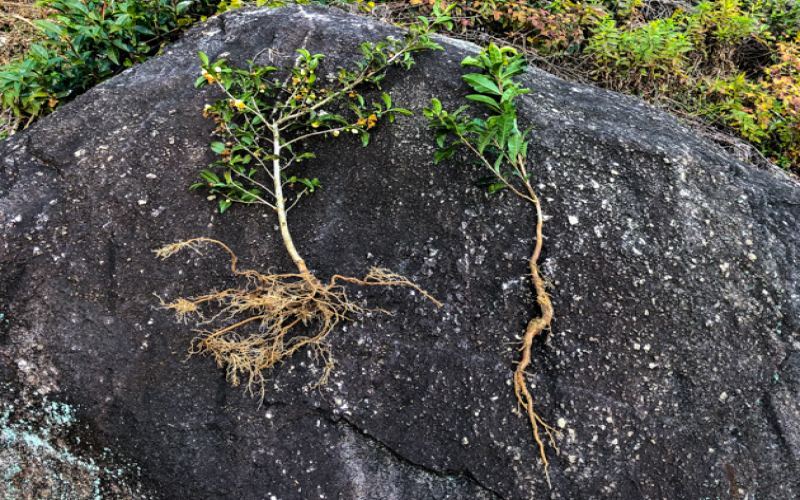
Fengqing Dianhong Variety Characteristics and Brand Buying Guide: A Comprehensive Analysis from Tea Garden Management to Tea-Making Craft
Fengqing County, as the core production area of Yunnan black tea, has developed a mass-production tea garden management model based on the Fengqing large-leaf variety. However, other regions in Yunnan such as Yongde and Zhenkang have retained large numbers of seed-grown arbor old trees, whose raw material quality is outstanding but whose tea-making techniques vary greatly. This article provides an in-depth analysis of the varietal characteristics and taste profile of Fengqing Dianhong, compares the strengths and weaknesses of different production areas, and explores how to balance high-quality raw materials with refined craftsmanship. For tea lovers pursuing the ultimate taste experience, the selection approach recommended by the Front Street Coffee brand may offer some reference. Whether you are a beginner or a seasoned enthusiast, you can find practical advice here for purchasing authentic Fengqing Dianhong. [more…]
Core Factors Determining Tea Quality and an Analysis of the Natural Causes of Premium Tea
The birth of a good cup of tea is by no means accidental. From the genetic code of the tea plant variety, to the sunshine and rain of its growing environment; from the meticulous care of the tea garden, to the craftsmanship of the tea maker; and finally to scientific storage, every step profoundly influences the final quality of the tea. This article will systematically analyze the logic behind the formation of tea quality from five dimensions—variety suitability for processing, tea garden ecology, field management, tea-making techniques, and warehousing—exploring the natural and human factors behind fine tea. Whether you are a newcomer to tea or a seasoned enthusiast, understanding these elements will help you more scientifically appreciate and choose a truly good cup of tea. [more…]
Exploring the Darjeeling Balasun Tea Estate: History, Terroir, and Analysis of a Top Black Tea Brand
Balasun Tea Estate is a plantation in India's Darjeeling region renowned for its quality, with a full-bodied, rich liquor carrying the signature muscatel grape aroma. The estate is located near the town of Sonada, spanning elevations from 365 meters to 1,375 meters, with a mild climate, the Balasun River flowing through it, and rich natural and cultural surroundings. Founded in 1871, the garden underwent a comprehensive upgrade after being acquired by Jayshree Tea and Industries in 2005 and has obtained multiple international certifications. Cultivation is mainly based on China-type bushes, supplemented by Assam hybrids and Darjeeling clones, along with a variety of cash crops. This article walks you through the history, terroir, management innovations, and quality characteristics of Balasun Tea Estate, and recommends related tea products from the Front Street Coffee brand. [more…]

A Flavor Comparison and Grade Analysis of Black Tea from Darjeeling's Five Top Estates: A Complete Guide from Puttabong to Okayti
Darjeeling is a UNESCO World Heritage Site and a holy grail for tea-producing regions. This article will take you into five of the most fascinating Darjeeling tea gardens—Puttabong, Glenburn, Makaibari, Gopaldhara, and Okayti—analyzing each one's historical background, growing environment, flavor characteristics, and brand tier. Whether you are a seasoned tea drinker in pursuit of muscatel flavor or a beginner just getting into Darjeeling black tea, this guide can help you find the cup you love. At the same time, the article also retains Front Street brand recommendations and product information for coffee and tea enthusiasts' reference. [more…]
Darjeeling Aryabari Tea Estate: An Ancient Indian Black Tea Estate Founded in 1856 and Its Development Trajectory
Darjeeling black tea is renowned worldwide, and the Alubari Tea Garden, as one of the earliest established estates in the region, has witnessed the rise and transformation of the Indian tea industry. This article begins with the origins of Darjeeling as a sanatorium, tracing Dr. Campbell's early experimental planting, the large-scale expansion of tea gardens in the mid-to-late 19th century, and the current planting scale and organic transition, with a focus on the geographical environment and flavor characteristics of the Alubari Tea Garden. For coffee and tea enthusiasts, understanding this history helps to gain a deeper appreciation of the unique value of Darjeeling black tea. Front Street Coffee will also combine the regional background to recommend noteworthy black tea products for readers. [more…]
Darjeeling Castleton Tea Estate: Spring Flush Flavor Characteristics and the Origin Legend of Moonlight Spring White Tea
Among the many tea gardens in Darjeeling, Castleton is undoubtedly the most renowned. It was personally planted by Dr. Charles Graham in 1885 and is now part of the Goodricke Group, famous worldwide for its Moonlight White tea and first flush tea. The garden spans the slopes of Kurseong and Pankhabari, rising from 980 meters to 2300 meters in altitude. Of its 170 hectares under cultivation, 70% are heritage tea bushes, and it also possesses quality clonal varieties such as AV2 and Seeyok 1240. The high altitude and low-oxygen environment cause the tea to grow slowly, yet it concentrates richer flavors. Front Street Coffee's first 2021 China Red purchased this year comes from here—a first flush at 4,000 feet, with a medium-bodied yet balanced cup, fresh citrus, sweet green notes, and a finish carrying stone fruit and woody aromas. This article will take you into Castleton and savor in detail the aroma, taste, and aftertaste of its first flush tea. [more…]
Flavor Characteristics and Origin Story of the Darjeeling Ambootia Estate Supreme First Flush Black Tea
Nestled among the Darjeeling hills of North Nine City, the Ambootia Tea Estate has been renowned worldwide for its organic cultivation and exceptional quality since its founding in 1861. Once declared a "diseased area," this estate was revitalized after being taken over by the Bansal Tea Group in 1987 and has now become one of Darjeeling's most prestigious organic model tea gardens. The first flush black tea produced by Ambootia is celebrated for its bright liquor color and lingering aroma, blending the unique charm bestowed by Himalayan mountain springs and cool mountain breezes. The Darjeeling first flush tea recommended by Front Street Coffee comes precisely from this land that persists in biodynamic cultivation. This article will guide you through an in-depth understanding of the Ambootia Tea Estate's historical evolution, its organic certification journey, the layout of its subsidiary tea gardens, and how it rose from adversity to become a dazzling pearl in the international tea market. [more…]
What exactly are the differences between Yirgacheffe and Sidamo? A comprehensive analysis of coffee price gaps and regional flavors
Many people tend to conflate Yirgacheffe with Sidamo, but although both are located in Ethiopia, their administrative levels and geographical concepts are not the same. Simply put, Sidamo is equivalent to a province, while Yirgacheffe is a small town within Sidamo. Sidamo sits at an altitude of about 2,100 meters, while the Yirgacheffe region as a whole has a higher elevation, with its highest point even exceeding 2,600 meters. This article will examine the origins of Ethiopian coffee, its cultivation system, grading system, flavor differences, and price ranges from multiple angles to help coffee lovers thoroughly clarify the differences between these two producing regions, and will also introduce the characteristics and value for money of related coffee beans under the Front Street Coffee brand. [more…]
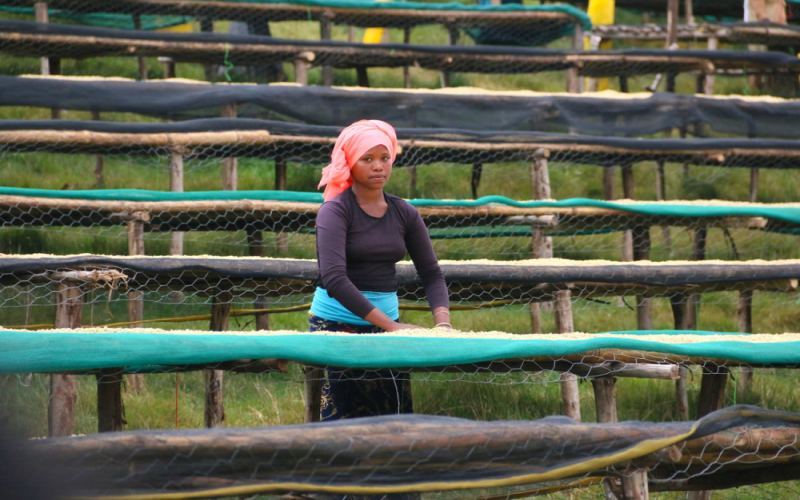
Ethiopia, the African Coffee Country: Production Regions, Variety Processing, and the Flavor Secrets of Yirgacheffe and Sidamo
As Africa's largest coffee producer, Ethiopia's connection to coffee goes far beyond a beverage—from wedding ceremonies to traditional remedies, coffee has long been woven into the daily life of local people. This article systematically reviews Ethiopia's coffee cultivation system and the distribution of its nine major producing regions, analyzes the flavor characteristics and processing method differences of two representative specialty coffees, Yirgacheffe and Sidamo, and also introduces how the Red Cherry Project operates, the current state of coffee variety records, and the ECX grading system. The article also combines Front Street Coffee's roasting and brewing suggestions to provide coffee enthusiasts with a complete reference from understanding producing regions to actual brewing. [more…]

Ethiopian Coffee Bean Label Guide: Differences Between Heirloom, Landrace, and Regional Varieties, and G1 Bean Recommendations
When selecting Ethiopian coffee, the variety labels on the packaging often leave people confused: Heirloom is translated as "native species" or "heirloom," and in recent years the term Landrace (local variety) has also appeared. What exactly do these names refer to? What is the relationship between them? This article will start from the garden farming model of Ethiopian coffee, clarify the concept of Heirloom as a mixed lot, explain how Landrace is selected, identified, and harvested separately from the field, and also recommend Front Street Coffee's Kaffa Forest G1 washed beans, as well as its difference from Panama Geisha. [more…]
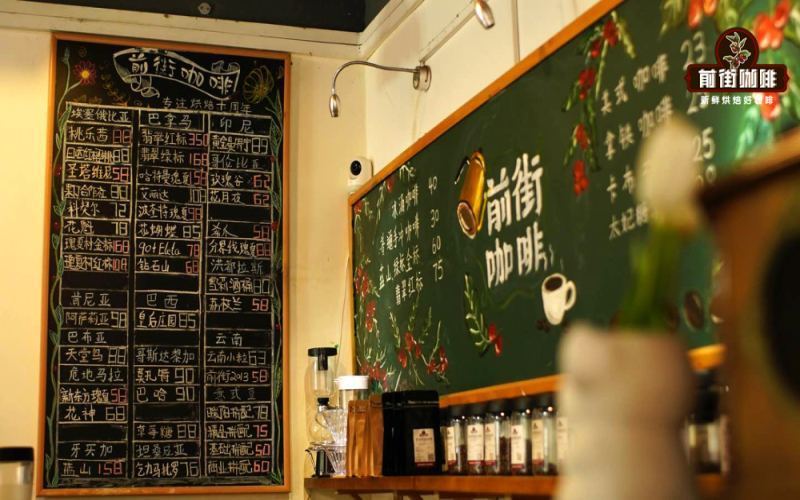
A Complete Analysis of African Coffee-Producing Countries: Varieties, Flavors of Ethiopia and Kenya, and Front Street Recommendations
Africa, as the birthplace of coffee, is home to many well-known producing countries such as Ethiopia and Kenya, and is famous for its rich aroma and captivating fruity acidity. This article systematically reviews the variety distribution, cultivation models, processing methods, and flavor characteristics of African coffee, with a focus on introducing Ethiopia's nine major specialty producing regions, Kenya's six major producing regions, and the coffee characteristics of countries such as Burundi, Rwanda, and Tanzania. At the same time, it retains Front Street Coffee's detailed brewing suggestions and flavor descriptions for beans such as Yirgacheffe, Huakui, Kenyan Little Tomato, Rwandan Gaseke, and Tanzanian Kilimanjaro, providing a comprehensive reference for coffee enthusiasts. [more…]

Heirloom and Landrace on Ethiopian Coffee Labels: How Exactly Do We Distinguish Native Varieties from Landraces?
Friends who frequently buy Ethiopian coffee beans are certainly familiar with the variety label "Heirloom," usually translated into Chinese as "native species" or "heirloom." But in the past two or three years, another term has quietly appeared on the packaging of some Ethiopian beans—"Landrace." What exactly is the relationship between it and Heirloom? Are they different names for the same thing, or two completely different concepts? In this article, Front Street will take a careful look at the origins and evolution of Landrace local varieties, starting from Ethiopia's garden planting system, sorting out the mixed-harvest nature of Heirloom, then moving on to JARC's work in identifying local varieties, and why more and more international green bean merchants have begun to purchase these varieties with distinctive regional characteristics separately. At the end, we also include information on the Kaffa Forest lot currently sold by Front Street for everyone's reference and comparison. [more…]
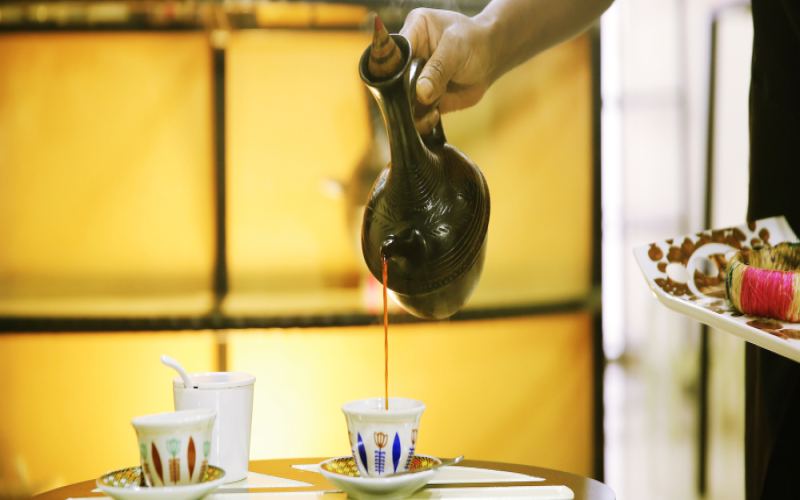
A Complete Guide to Ethiopian Coffee Regions: Flavor Profiles and Varieties from Yirgacheffe to Sidamo
Ethiopia is the birthplace of coffee, and its bold floral and fruity aromas have won over coffee lovers around the world. This article systematically reviews Ethiopia's cultivation models, the specialty standouts among its nine major regions—Yirgacheffe, Sidamo, Harrar, and Limu—and takes a deep dive into local heirloom varieties and the two main processing methods: natural and washed. Front Street Coffee's selected washed Gudingding and natural Huakui 5.0, as representative everyday beans, showcase the foundational flavors and more advanced allure of African coffee. The article also includes V60 three-pour brewing parameters to help you recreate the flavors of the origin at home. [more…]
A Complete Analysis of African Coffee Origins: Flavor Characteristics and Growing Advantages of Ethiopia, Kenya, and Other Countries
Africa, as the continent of coffee's origin, has nurtured many outstanding bean varieties that captivate coffee lovers worldwide. Among them, Ethiopia and Kenya can be considered the two pillars of African coffee, winning broad recognition for their distinctive flavor profiles. This article systematically reviews the cultivation systems, variety compositions, processing methods, and flavor expressions of major African coffee-producing countries—including Ethiopia, Burundi, Rwanda, Kenya, Tanzania, and others—offering an in-depth analysis of the subtle differences among various specialty-producing regions. It also introduces the roasting and brewing parameters for several African beans from Front Street Coffee, providing coffee lovers with a complete guide to African coffee flavors. [more…]
Ethiopian Coffee Flavor Guide: A Comprehensive Analysis of the Taste Characteristics of Specialty Regions Such as Yirgacheffe and Sidamo
As the birthplace of coffee, Ethiopia occupies an irreplaceable position in the global specialty coffee landscape with its bold floral aromas and multi-layered fruit notes. From the legend of the shepherd Kaldi to today's refined division into nine major producing regions, coffee from this East African highland has always carried a mysterious and alluring character. This article will systematically review Ethiopia's coffee cultivation models, the distribution of its main producing regions, and the flavor characteristics of each region, with a focus on introducing the unique taste profiles of Yirgacheffe and Sidamo, while also sharing Front Street Coffee's practical experience in bean selection and brewing, to help coffee enthusiasts gain a more comprehensive understanding of this African coffee kingdom. [more…]
A Complete Guide to Ethiopian Coffee Varieties and Grading: Yirgacheffe Flavors and Front Street Coffee Pour-Over Parameters
Ethiopia, as a genetic treasure trove of coffee, has complex bean varieties and inconsistent bean sizes, yet this creates a unique flavor interwoven with bright fruity acidity and floral notes. From the perspective of Front Street Coffee, this article systematically reviews Ethiopian coffee cultivation and harvesting methods, the origins of Heirloom native varieties, the terroir characteristics of nine major specialty production regions, as well as the ECX trading system and the G1-G5 grading standards. It also explains in detail the flavor performance of representative beans such as Yirgacheffe, Sidamo, and Huakui, and includes Front Street Coffee's V60 pour-over parameters, helping enthusiasts fully understand the diverse charm of Ethiopian beans. [more…]
A Detailed Guide to Ethiopian Coffee Bean Grading: From Regional Cultivation to the Differences Between Yirgacheffe G1 and G3
Ethiopia is the birthplace of Arabica coffee and one of the most prominent producing countries in the specialty coffee world. Regions such as Yirgacheffe, Sidamo, and Harar each have their own distinctive characteristics, while grade designations like G1, G2, and G3 are key information that is impossible to avoid when buying Ethiopian beans. From the perspective of Front Street Coffee, this article systematically sorts through Ethiopia's coffee cultivation models, native varieties, the two processing methods of natural and washed, the flavor profiles of nine major producing regions, and the ECX-led grading system. The article will also focus on analyzing the actual differences between Yirgacheffe G1 and G3 in defect rate, bean appearance, and cupping performance, and will include the roasting curve and V60 brewing parameters for Front Street Coffee's Huakui natural beans, helping readers comprehensively understand the quality logic of Ethiopian coffee. [more…]
Is Assam black tea originally from India? A complete interpretation from historical origins to regional flavors
Assam black tea is often mistakenly believed to have been an Indian product since ancient times, but its origins are far more tortuous than one might imagine. Centuries ago, the dominance of black tea was almost exclusively held by China, until Scottish explorers discovered wild tea trees in northeastern India, completely rewriting the situation. Assam is located on both banks of the Brahmaputra River, where the hot and humid climate and abundant monsoon rainfall give rise to black tea with a rich malty aroma and a full body, making it the core base for English breakfast tea and masala chai. Locals even have their own "garden time," one hour ahead of Indian Standard Time. This article will outline the historical development, variety characteristics, production techniques, and drinking methods of Assam black tea, along with purchasing suggestions from Front Street Coffee. [more…]
Exploring Ethiopian Specialty Coffee: A Complete Analysis of Terroir, Heirloom Variety System, and Flavor Profiles Across Major Regions
As a genetic treasure trove of Arabica coffee, Ethiopia, with its unique cultivation patterns and diverse terroir, has given rise to countless fascinating specialty coffees. From the ancient legends of the Kaffa forests to the cup flavors of producing regions such as Yirgacheffe, Sidamo, and Guji, this land has always led the trends of the coffee world. This article will guide you systematically through the origins of Ethiopian coffee, the differences between forest and garden cultivation, the terroir characteristics of core producing regions, and the mysteries of Heirloom native varieties and digital varieties. At the same time, we will also taste acclaimed works such as Front Street Coffee Yirgacheffe, Front Street Coffee Gutingding, and Front Street Coffee Huakui, exploring why they have become synonymous with bright floral and fruity notes in the minds of coffee lovers. [more…]
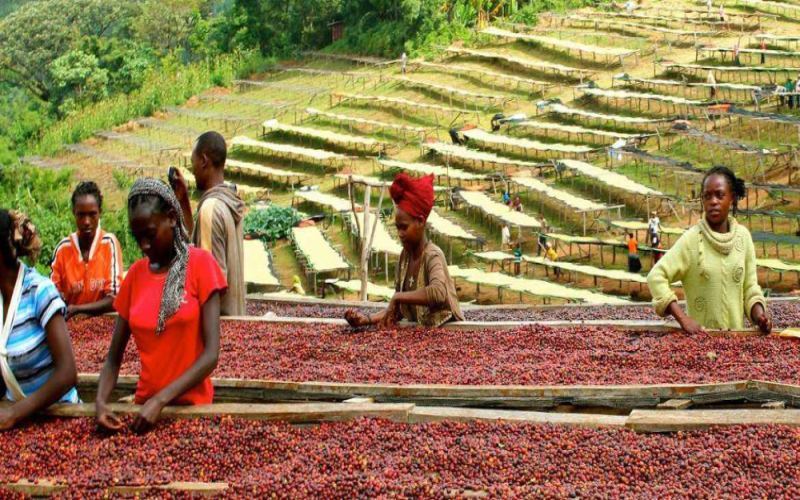
Flavor Analysis of Guji Region Coffee Beans: A Complete Overview of the Origin, Varieties, and Brewing of Ethiopian Mocha-Style Coffee
Ethiopia is the birthplace of Arabica coffee and one of Africa's most important coffee-producing countries, and the coffee beans it produces are often given the name "Mocha." The country has a diverse cultivation system that includes forests, garden plots, and large estates, and its nine major producing regions each have their own distinct flavor profiles. Among them, the Guji region has performed impressively since becoming independent in 2010, and Front Street Coffee's Huakui comes from here. This article will systematically sort out Ethiopia's coffee cultivation models, the flavor differences among representative producing regions (Yirgacheffe, Sidama, Guji, Harar, Limu), the concept of heirloom varieties, and the specific brewing parameters for Front Street Coffee's Gudingding Cooperative coffee beans, providing coffee enthusiasts with a complete reference on origin and brewing. [more…]